Good Learning Activities for Toddlers
Good Learning Activities for Toddlers
Let’s face it, toddlers are a handful and require constant activity to keep them going which can be very difficult for parents and cares to keep up with. Learning activities can be both fun and beneficial for their development. When a toddler is bored, they may become fussy or restless, so engaging them in various activities can help keep them occupied and happy. So if you are looking for good learning activities for your toddlers, then here are some great ideas to stimulate learning in toddlers.
1.Building Blocks
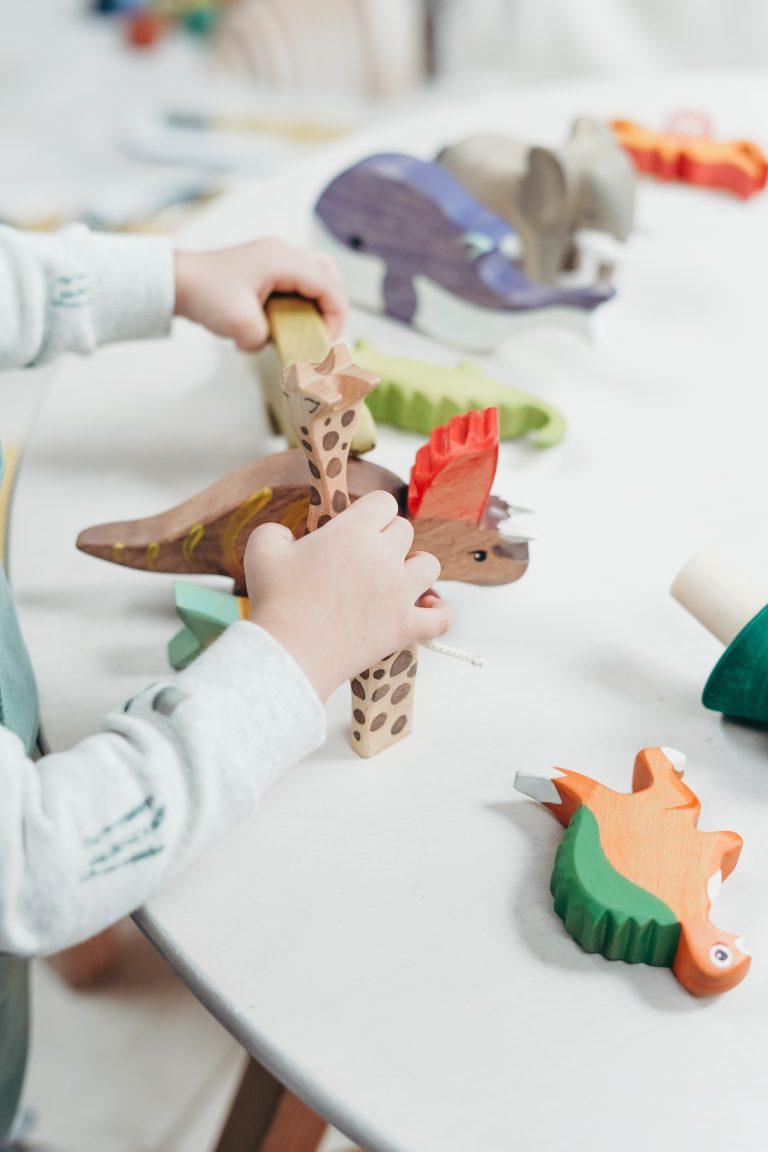
Building blocks are fantastic learning activity for toddlers as they offer numerous benefits for their development.Offer building blocks or stacking toys to encourage their imagination and motor skills. You can build together and let them knock down the structures, which toddlers often find amusing.
Building blocks isn’t only a great way to entertain your toddlers, but it also comes with so many benefits. Playing with blocks helps toddlers develop their hand-eye coordination and fine motor skills as they grasp, stack, and manipulate the pieces. Building structures with blocks encourages toddlers to solve problems, plan, and think critically. Blocks offer open-ended play, allowing toddlers to use their imagination to create various structures and scenarios. Building with blocks helps toddlers understand spatial relationships and concepts like size, shape, and balance. As they play, toddlers may describe their creations, count blocks, and engage in conversations, which supports language development.
Here are some amazing building blocks you can get for your toddlers.
2. Sensory Play
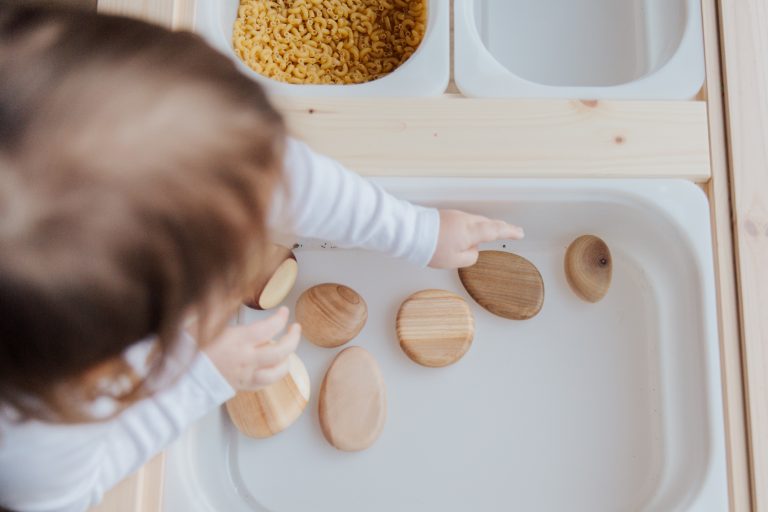
Sensory play is one other good learning activity for toddlers. Set up a sensory bin with items like rice, pasta, or water beads. Let your toddler explore different textures and use tools like scoops and cups for pouring and transferring. Sensory play is an enriching and enjoyable way for toddlers to explore the world around them using their senses.
It helps in their cognitive, emotional, and physical development. Fill a shallow container with materials like rice, dry beans, sand, water beads, or colored pasta. Add small toys or scoops, and let your toddler dig, pour, and explore the different textures.
Use homemade or store-bought playdough for your toddler to squeeze, shape, and manipulate. Add scents or colors for an extra sensory experience.Fill a resealable plastic bag with hair gel, colored water, or other safe substances. Seal it tight and let your toddler squish and move the contents without making a mess. Offer water play with a basin or a water table. Include cups, funnels, and water toys for pouring and splashing.
Collect items with various textures, such as smooth stones, soft fabrics, rough sandpaper, and fuzzy pom-poms. Let your toddler touch and compare them.Blow bubbles for your toddler to chase and pop. You can also make giant bubbles or use different bubble wands for added excitement. These are some great sensory play activities for toddlers at home.
3. Pretend Play
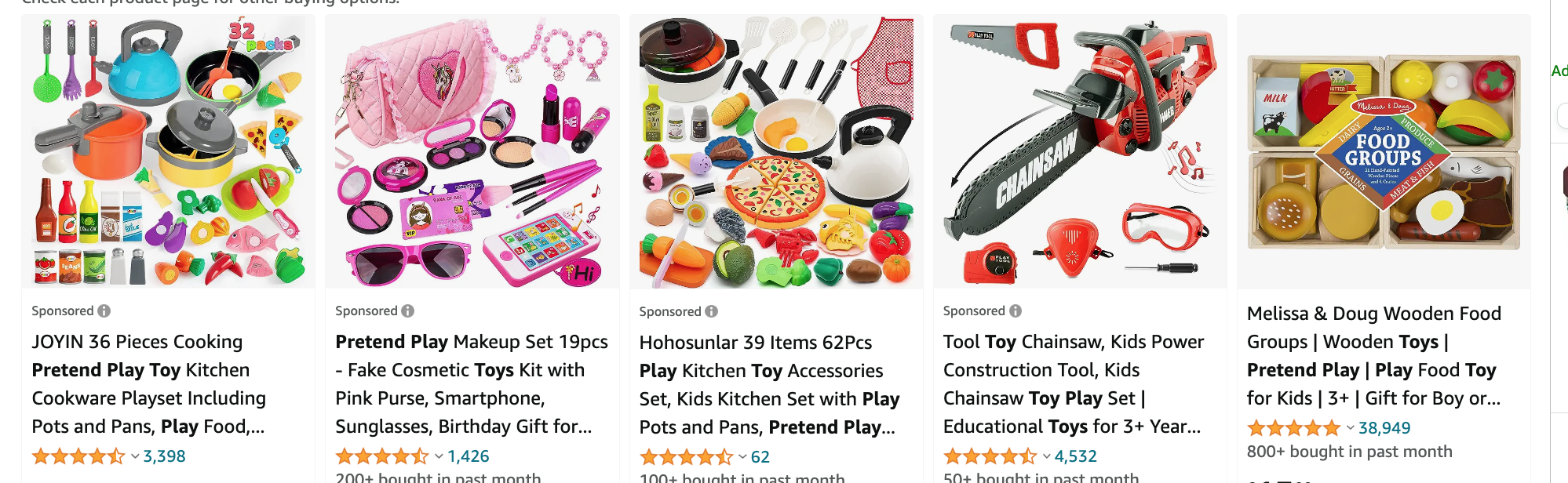
Pretend play is a fantastic and entertaining learning activity for your toddlers that helps stimulate their imagination, language skills, and social development. Encourage imaginative play with toy kitchens, dolls, or toy animals. Join in the play and take on different roles together. Here are some pretend play ideas to entertain and engage your toddler
Set up a play kitchen area with pots, pans, plastic food, and utensils. Let your toddler cook, serve imaginary meals, and play “restaurant.” Create a dress-up corner with costumes and accessories like hats, scarves, and jewelry. Your toddler can pretend to be a doctor, firefighter, princess, or any character they like.
Use empty food boxes and containers to set up a pretend grocery store. Your toddler can be the cashier or the shopper, using play money or toy shopping carts.
Have a pretend picnic with stuffed animals or dolls. Prepare play food and serve them tea or snacks during the picnic.
Provide a doctor’s kit and let your toddler be the doctor, checking the health of their toys or stuffed animals. Create a pretend animal rescue center, where your toddler can take care of injured or lost stuffed animals. Blast off on a pretend space mission using cardboard boxes as spaceships and exploring the “galaxy.”
Remember that pretend play is all about creativity and fun. Encourage your toddler’s imagination, join in the play, and let them take the lead in creating their imaginary worlds. Pretend play not only entertains them but also helps develop their cognitive, social, and emotional skills. Enjoy these special moments of make-believe with your little one!
Finally remember that every toddler is unique, so some learning activities may be more appealing to them than others. Pay attention to their interests and preferences to make the most out of the playtime. Additionally, always ensure a safe environment and provide age-appropriate toys and materials for their activities.