
Best Way to Teach Kids How to Read
Best Way to Teach Kids How to Read
Teaching kids to read is a crucial and exciting milestone in their development. Here are some effective strategies to help kids learn to read. According to the National Reading Panel, “teaching children to manipulate phonemes in words was highly effective under a variety of teaching conditions with a variety of learners across a range of grade and age levels and that teaching phonemic awareness to children significantly improves their reading more than instruction that lacks any attention to Phonemic Awareness.” This is a statement made by the National Reading Panel (NRP) in their report titled “TEACHING CHILDREN TO READ: An Evidence-Based Assessment of the Scientific Research Literature on Reading and Its Implications for Reading Instruction.”
So what’s the best way to teach children to read?
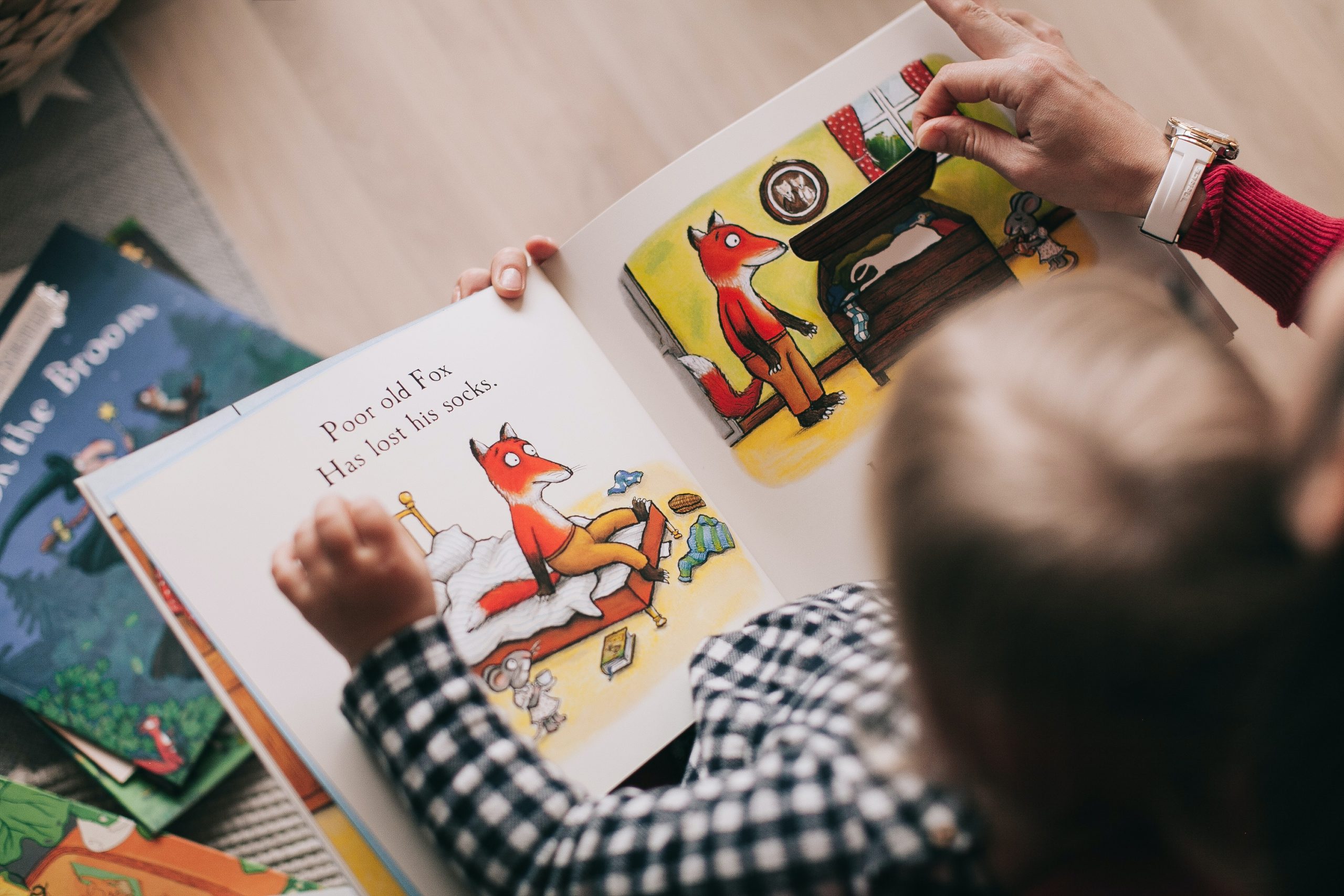
Introduce reading and books to your child from an early age. Even infants benefit from exposure to spoken language and colourful picture books. Read to your child regularly. Choose age-appropriate books and engage them with expressive reading, pointing out pictures, and asking questions about the story.
Phonics is the relationship between letters and their sounds. Teach kids letter sounds and how they combine to form words. This is the foundation of reading. Introduce sight words, which are common words that children should recognize by sight, such as “the,” “and,” “is,” “in,” etc.
Repetition helps reinforce learning. Repeatedly read the same books and focus on specific letter sounds or sight words until they become familiar. Use interactive tools, games, and apps that focus on reading skills to make learning engaging and fun. Encourage your child to ask questions about the stories they hear or the words they see. This fosters curiosity and a deeper understanding of reading materials.
Surround your child with reading materials, including books, magazines, and age-appropriate reading apps or websites. Reading and writing go hand in hand. Encourage your child to practice writing letters, words, and simple sentences. Learning to read takes time and effort. Be patient with your child’s progress, and always provide positive reinforcement and encouragement.
Show your child how reading is a part of everyday life by reading street signs, grocery lists, and other practical texts. Establish a daily reading routine where you and your child read together. Consistency helps reinforce the learning process. Let your child see you reading books or other reading materials regularly. Children often imitate their parents’ behaviors.

Children who are taught with phonics and phonemic awareness instructions are consistently able to decode, read, and spell, and even demonstrated significant improvement in their ability to comprehend text. Even older children who receive these similar teachings improved their ability to decode and spell.
The NRP made a key statement saying that “conventional wisdom has suggested that kindergarten students might not be ready for phonics instruction, this assumption was not supported by the data. The effects of systematic early phonics instruction were significant and substantial in kindergarten and the 1st grade, indicating that systematic phonics programs should be implemented at those age and grade levels.“
However, I would like to further expand on that by saying that children as young as two years old can learn to read through phonics and phonemic awareness instructions. If a young child can speak, then they should be able to learn to read, even if they are as young as two years old. In fact, I have proven this with my own children. We started teaching our daughter at 2 years and 8months, and she was very capable at reading by the time she was just 2 years and 11 months old.
Remember that every child learns at their own pace. Be flexible and adapt your teaching approach to suit your child’s individual learning style. Celebrate their progress, and don’t forget to make reading a fun and enjoyable experience for them.