Introducing Solids to Baby & Baby Starting Solids Tips
Introducing Solids to Baby & Baby Starting Solids Tips
Starting your baby on solid food is one milestone and transition every parent looks forward to. Usually it is recommended to introduce solid baby food once your baby reaches 6 months. At this stage your baby’s digestive system should usually be good enough to handle solid food.
Moving from feeding your child breast milk or formula to introducing solid foods should be a gradual process. There are no hard and fast rules that apply as every child is different and they all progress at different stages of their life.
Don’t compare your child to others unless you are concerned that there are some factors that might be affecting healthy development.
If you have specific dietary beliefs that you would like your child to follow when introducing solids to your baby, such as a vegetarian diet then you will need to ensure that your child is getting balanced nutrition and it might be wise to delay weaning off breast milk totally until the diet consists of sufficient foods to maintain a good balance of nutrients.
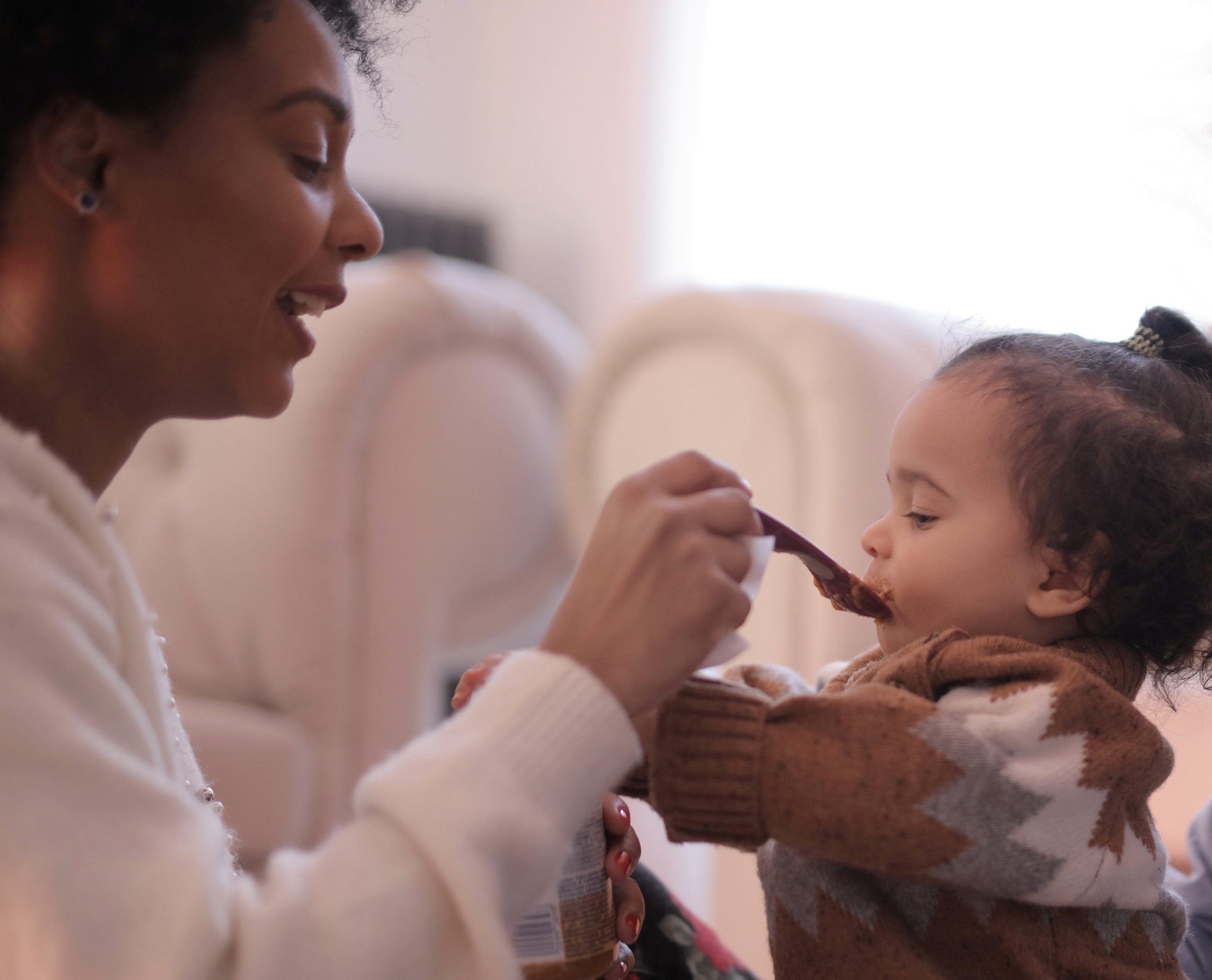
The first stage of weaning off breast milk/formula and introducing solids to baby food is to start by replacing one of the baby’s milk feeds with pureed solid food. Once accustomed to this food it is time to replace more and more milk feeds with the solid foods and introduce more variations into the diet.
The types of foods that you choose to feed your child will have a bearing on their future eating habits so be sure to make good healthy choices and persevere with foods that have high nutrition value rather than food that appears to be easier to feed to your child. You should always keep this in mind when introducing solid food to babies.
Over a period of 3 or 4 months you will be able to transition from pureed solid food to chopped portions as your child learns to chew. You will be feeding less and less milk or formula but it is still possible that you will need to continue with this option for a while to ensure that the child is content and not hungry. You should see some healthy weight gain during this time and if not seek professional advice to make sure that all the necessary nutritional needs are being met in the food that you are giving your child.
Do: Feed Your Baby Real Food
In the not so distant past, parents were fearful about giving children real food. They started with rice cereal and built up to other foods. But, this has been shown not only to be ineffective but even harmful, causing more problems with allergies. Try starting your baby with real food that’s mushy like mashed bananas, baked sweet potato, and avocado.
Do: Keep Nursing If Your Baby Is Thriving
Even when you start your baby on solid food, itís fine to keep nursing as long as your baby still wants to and you still want to. Breast milk is the best for your baby and will keep offering him not only vitamins and minerals but also protection from infection and illness. Tests have shown that a mom’s breast milk changes based on the needs of the baby.
Do: Eat Meals Together as a Family
Starting as young as possible, eating meals together as a family will help teach your child many values. One of them is that they are important and that you are willing to stop everything else for just an hour or so to ensure that everyone has the nutrition they need.
As your child gets older, this will be ground zero in terms of conversations and lessons about the day. If you want to know your child, start eating dinner with them while they’re young and keep doing it as long and as often as possible.
Do: Offer Variety as They Age
You don’t want to force your child to eat anything that they dislike. Instead, always offer them a variety of healthy choices. Then let them lead the way. Even if they dislike something one day, keep offering it because after a few times of it being offered they may decide that they like it.
Do: Be Patient
Some babies are pickier than others. You might feel as if your child is living off nothing more than a grape and a cracker. But, babies will not starve themselves. When food is offered, they will eat until they’re satisfied. This is the best way to feed your baby so that they learn to listen to their own bodies. Be patient with your child and let them guide you on how fast they want to try things and eat different foods. If they say no today, they may say yes tomorrow.
Finally, these do’s and don’ts of introducing solids to babies are essential, because nothing is more important than your baby getting enough nutrients. They need a diet high in vitamins and minerals which require a variety of food choices.